

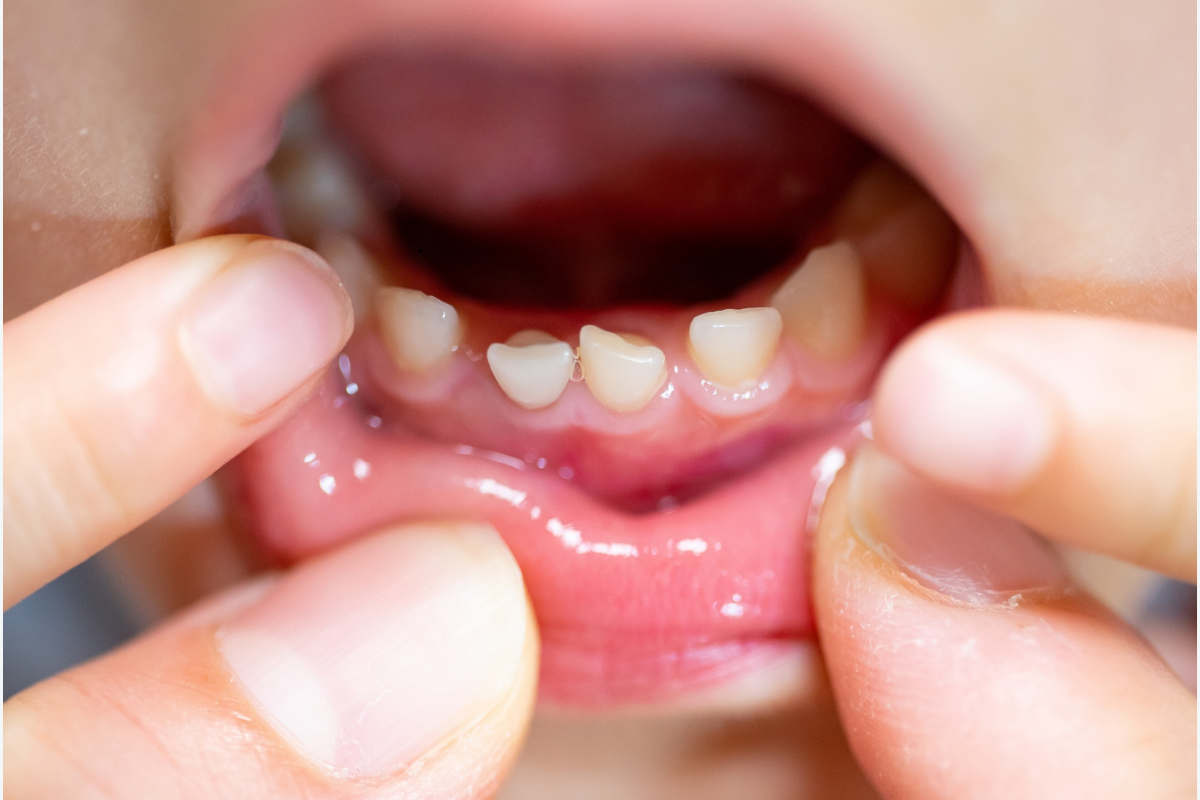
Many parents choose organic snacks because they seem like a healthier option for their children. However, organic fruit snacks, dried fruit, applesauce pouches, and sweetened yogurt can contain sugars that contribute to early childhood cavities. When toddlers frequently snack or sip sweet drinks from a sippy cup, their developing teeth face repeated acid attacks.
These cavities, often called sippy cup caries or baby bottle tooth decay, can affect both front and back baby teeth. Parents looking for a kid-friendly dentist in Rowlett can get guidance on preventing early childhood cavities and protecting their child’s developing smile.
At Peppermint Dental & Orthodontics – Rowlett, Dr. Blackburn and the dental team can help families understand the importance of early preventive dental care.
What Causes Sippy Cup Caries?
Sippy cup caries is a common form of early childhood tooth decay associated with frequent exposure to sugary liquids and foods. It develops when bacteria in dental plaque use sugars to produce acids. These acids gradually remove minerals from the enamel, weakening the tooth surface.
Baby teeth have thinner enamel than permanent teeth, making them vulnerable to decay. The risk increases when children repeatedly consume sugary drinks or snacks throughout the day.
Common habits that contribute to early childhood cavities include:
- Allowing toddlers to carry juice-filled sippy cups throughout the day.
- Offering sweetened milk or flavored beverages before bedtime.
- Giving sticky snacks between meals.
- Letting children fall asleep with a bottle of milk or juice.
- Delaying regular brushing after the first teeth appear.
The problem is not always how much sugar a child consumes at once. How frequently the teeth encounter sugar also matters.
Organic Snacks That May Hide Sugar
Organic labels describe how certain ingredients are produced. They do not mean a product is sugar-free or less likely to contribute to cavities. Some organic toddler snacks contain concentrated fruit sugars, added sweeteners, or sticky ingredients that remain on tooth surfaces.
Parents should watch for these common snack choices.
1. Organic Fruit Snacks and Fruit Leather
Fruit snacks and fruit leather often contain concentrated fruit purees or juice concentrates. Their sticky texture lets sugary residue cling to teeth, especially in grooves and between neighboring teeth.
2. Dried Fruits and Raisins
Raisins, dried mangoes, dates, and other dried fruits contain naturally occurring sugars. Their chewy texture can make them stick to tooth surfaces. Frequent snacking may increase how long teeth stay exposed to these sugars.
3. Applesauce and Fruit Pouches
Unsweetened applesauce can be part of a balanced diet, but fruit pouches still contain naturally occurring fruit sugars. Products with added sweeteners create another source of sugar exposure. Frequent sipping also extends contact with the teeth.
4. Sweetened Organic Yogurt
Some toddler yogurts contain added cane sugar, fruit concentrates, or other sweeteners. Even when a product contains calcium and protein, its sugar content still matters for dental health. Check the nutrition label before making it a daily snack.
5. Organic Granola Bars
Granola bars may contain honey, dried fruit, syrups, or sweetened coatings. Their chewy consistency can leave food particles around the teeth. These ingredients make frequent grazing less favorable for developing enamel.
6. Sweetened Toddler Drinks
Organic juice drinks and flavored beverages can expose teeth to sugar throughout the day. Even 100% fruit juice contains natural sugars. Water is a better choice between meals.
Why Frequent Sipping Increases Cavity Risk
A child’s mouth needs time between meals to recover from acid exposure. Saliva helps neutralize acids and supports natural enamel repair through remineralization.
However, when toddlers repeatedly sip juice or sweetened beverages, their teeth face repeated acid attacks. The same concern applies when children carry a sippy cup filled with sugary liquids for extended periods.
Nighttime exposure can be particularly concerning. Saliva production decreases during sleep, reducing one of the mouth’s natural protective mechanisms.
To reduce this risk, parents should:
- Fill sippy cups with plain water between meals.
- Offer milk with meals rather than throughout the day.
- Avoid putting children to bed with juice or milk in a bottle.
- Serve sweet snacks occasionally rather than allowing continuous grazing.
- Encourage drinking from an open cup as children develop.
Healthier Snack Choices for Developing Teeth
Parents do not need to eliminate fruit or nutritious snacks. The goal is to choose options that provide essential nutrients while limiting frequent sugar exposure.
Consider these alternatives:
- Fresh fruit: Offer age-appropriate pieces of soft fruit instead of sticky fruit snacks.
- Plain yogurt: Choose unsweetened varieties with no added sugar.
- Soft vegetables: Serve steamed carrots, avocado, or other suitable vegetables.
- Cheese: Offer age-appropriate cheese portions as a low-sugar snack.
- Eggs: Scrambled or hard-boiled eggs provide protein without added sugar.
- Water: Use plain water between meals to support hydration and reduce exposure to sugary beverages.
Always prepare foods according to your child’s age and developmental stage to reduce choking risks. Supervise toddlers while they eat.
Build a Strong Toddler Oral Care Routine
Healthy eating habits work best when combined with consistent oral hygiene. Parents should begin cleaning their child’s mouth during infancy and brush as soon as the first tooth appears.
Follow these preventive recommendations:
- Brush twice daily: Use a soft, age-appropriate toothbrush.
- Use fluoride toothpaste: Apply a rice-sized smear for children younger than three and a pea-sized amount for children ages three through six.
- Help with brushing: Young children need parental assistance because they cannot clean every tooth surface effectively.
- Clean between teeth: Begin flossing when neighboring teeth touch.
- Schedule early dental visits: Establish a dental home by the first birthday or within six months of the first tooth appearing.
Professional fluoride applications may also help strengthen enamel and reduce cavity risk in children who need additional protection.
Give Your Child a Healthier Start
Preventing early childhood cavities begins with everyday choices. Reading food labels, limiting sugary drinks, offering nutritious snacks, and maintaining consistent brushing habits can protect your toddler’s developing teeth.
At Peppermint Dental & Orthodontics – Rowlett, parents can discuss preventive dental care and age-appropriate oral hygiene recommendations with the dental team. If you are searching for a kid-friendly dentist in Rowlett, visit our dental practice to discuss your child’s dental health and schedule a preventive evaluation.
Protect Little Smiles With Early Dental Care
Baby teeth play an important role in chewing, speech development, and maintaining space for permanent teeth. Cavities in these teeth should never be ignored simply because they will eventually fall out.
At Peppermint Dental & Orthodontics – Rowlett, Dr. Blackburn and the dental team encourage parents to make preventive care part of their child’s routine. Contact the office or visit 5701 President George Bush Highway, Suite 140, Rowlett, TX 75089, to schedule an appointment. Connect with our kid-friendly dentist in Rowlett and take an early step toward protecting your child’s growing smile.
Frequently Asked Questions
1. What is sippy cup caries in toddlers?
Sippy cup caries refers to early childhood tooth decay associated with frequent exposure to sugary drinks. Repeated sipping allows acids to attack developing enamel. A dental examination can identify early signs and help parents prevent further damage.
2. Can organic snacks cause cavities in toddlers?
Yes. Organic fruit snacks, dried fruits, sweetened yogurt, and fruit pouches can contain sugars that contribute to tooth decay. Parents should check ingredient and nutrition labels and discuss healthier snack choices with their child’s dental team.
3. Is it safe for toddlers to drink juice from a sippy cup?
Frequent juice consumption can increase cavity risk, even when the juice contains no added sugar. Water is preferable between meals. A dental professional can also help parents establish healthier beverage habits for young children.
4. At what age should a child have their first dental visit?
Children should visit a dentist by their first birthday or within six months after their first tooth appears. Early visits help identify cavity risks, establish oral hygiene routines, and guide parents on preventive care.
5. How can parents prevent cavities in baby teeth?
Brush twice daily with age-appropriate fluoride toothpaste, limit sugary snacks, offer water between meals, and schedule regular dental examinations. Professional fluoride treatments may also help protect developing enamel in children who need additional prevention.
6. Are cavities in baby teeth serious?
Yes. Untreated cavities can cause pain, infection, difficulty eating, and problems with normal development. Early dental care helps manage decay and protect baby teeth until they fall out naturally.
**Disclaimer: This content should not be considered medical advice and does not imply a doctor-patient relationship.


