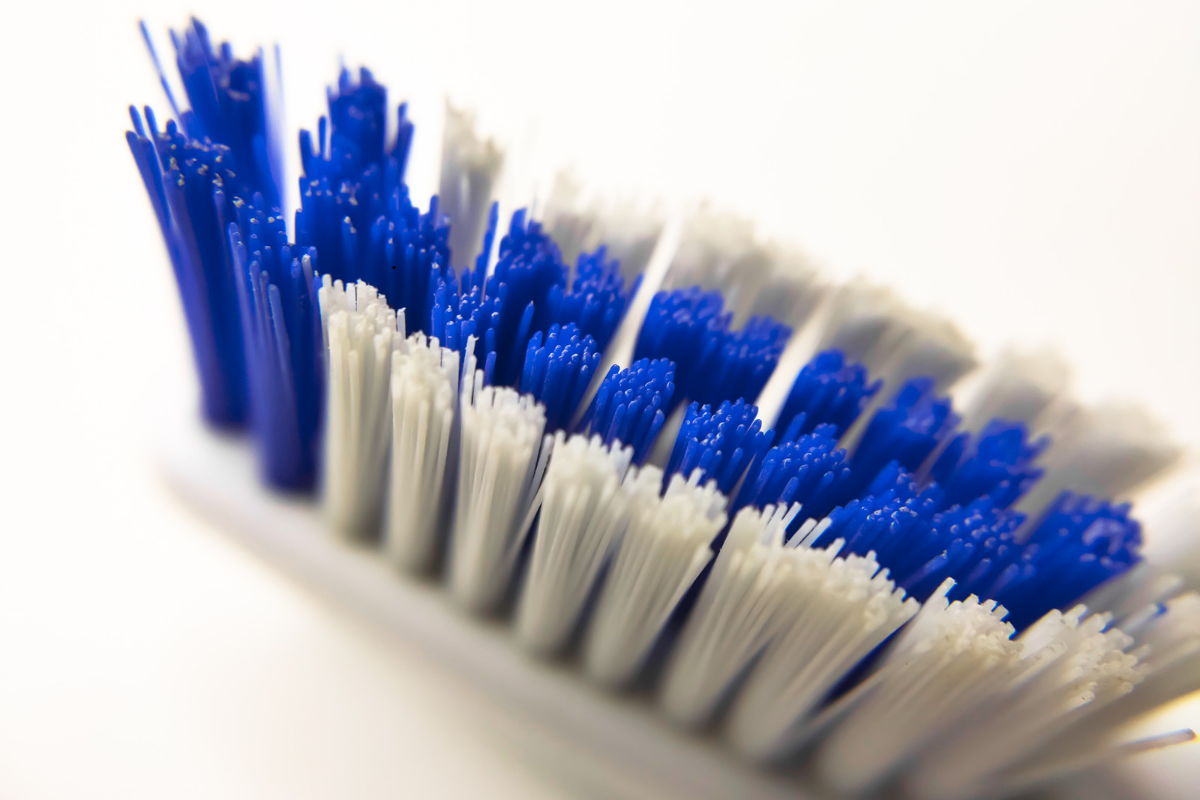
Brushing twice daily is essential for oral health, but your brushing technique matters just as much as frequency. Stiff bristles combined with excessive pressure can irritate delicate gum tissue and contribute to abrasion around the gumline. Repeated trauma may contribute to gum recession, particularly when other risk factors are present.
If your teeth appear longer, your roots feel sensitive, or your gums look uneven, your brushing routine may need attention. A dentist can examine these changes, identify possible causes, and recommend appropriate care. At Peppermint Dental & Orthodontics – McKinney, Dr. Blackburn can help you understand what is affecting your gum health.
How Bristle Firmness Affects Gum Health
Toothbrush bristles should remove plaque without causing unnecessary irritation. Hard-bristled toothbrushes have stiffer filaments that create more friction against the gums, particularly when someone brushes forcefully or uses vigorous back-and-forth movements.
Research supports choosing a softer brush. A systematic review found that hard-bristled brushes caused more gum lesions than medium- or soft-bristled brushes. However, evidence directly connecting brushing to progressive gum recession remains inconclusive. This distinction matters because gum changes can have several causes.
The American Dental Association (ADA) recommends using a soft-bristled toothbrush and gentle pressure to reduce the risk of gum injury. Softer bristles can clean plaque effectively when used with proper technique. A firmer brush does not automatically clean more thoroughly.
How Aggressive Brushing Can Cause Damage
Gum tissue forms a protective seal around each tooth. Repeated mechanical irritation can injure this tissue and contribute to gingival abrasion. Brushing may also wear the tooth surface near the gumline, exposing the more sensitive root structure.
Certain habits can increase the risk of injury:
- Applying excessive pressure: Pressing hard can bend or spread bristles, increasing friction against the gums.
- Scrubbing from side to side: Forceful horizontal strokes repeatedly rub the same areas.
- Focusing on one area: Spending too much time on one section can irritate surrounding tissue.
- Using worn bristles: Frayed bristles may clean less effectively and make brushing technique harder to control.
- Choosing a brush for a stronger sensation: A firm brushing feel does not indicate better plaque removal.
Hard-bristled toothbrushes may cause more irritation when these habits occur together. Repeated trauma can also contribute to cervical abrasion, which appears as wear or a notch near the gumline.
Warning Signs to Watch For
Gum changes can develop gradually. Watch for symptoms that persist or become more noticeable.
- Teeth look longer: The gumline may have shifted, exposing more of the tooth.
- Sensitivity near the roots: Cold drinks, sweet foods, or brushing may trigger discomfort.
- Notches near the gumline: The tooth surface may show signs of mechanical wear.
- Tender or irritated gums: Tissue may feel sore after brushing or appear inflamed.
- Bleeding during brushing: This can indicate gingivitis or another periodontal concern and should not be ignored.
These symptoms do not confirm a specific diagnosis. A dental examination can distinguish brushing-related injury from periodontal disease and other conditions.
Other Factors That Affect the Gumline
Toothbrushing is not the only factor that can affect gum tissue. Several conditions may contribute to recession or increase a person’s susceptibility.
- Periodontal disease: Bacterial plaque can trigger inflammation and damage the tissues and bone supporting the teeth.
- Thin gum tissue: Some people naturally have delicate tissue that provides less protection around tooth roots.
- Tooth position: Teeth outside the normal dental arch may have less supporting tissue in certain areas.
- Bite-related forces: Uneven contact may place additional stress on individual teeth.
- Tobacco use: Smoking and other tobacco products can negatively affect periodontal health and healing.
More than one factor may be involved. Changing your toothbrush is an important preventive step, but it may not address an existing periodontal condition. Our dentist in McKinney can assess your gumline and determine whether you need additional treatment.
Choose a Gentler Brushing Technique
The goal of brushing is to remove plaque while protecting your gums and enamel. The ADA recommends brushing for two minutes twice daily with a soft-bristled toothbrush and fluoride toothpaste.
Follow these steps to improve your daily routine:
- Select soft bristles. Choose a brush with a comfortable head that reaches your back teeth.
- Angle the brush correctly. Hold it at about a 45-degree angle toward the gumline.
- Apply light pressure. Use short, gentle strokes instead of forceful scrubbing.
- Clean every surface. Brush the outer, inner, and chewing surfaces of each tooth.
- Replace your toothbrush. Replace it every three to four months, or sooner if the bristles become frayed.
- Clean between your teeth. Floss or use an interdental cleaner daily to remove plaque from areas a toothbrush cannot reach.
If you prefer an electric toothbrush, select a model with soft bristles. A pressure sensor can help you recognize when you are brushing too firmly. Hard-bristled toothbrushes are not necessary for effective plaque control.
When to Schedule a Gum Evaluation
Persistent bleeding, tenderness, exposed roots, and sensitivity deserve professional attention. During an examination, a dentist may measure periodontal pocket depths, evaluate the gumline, check tooth mobility, and review your brushing habits. Dental X-rays may also help assess supporting bone when clinically indicated.
Treatment depends on the underlying cause and extent of tissue changes. Recommendations may include:
- Professional cleaning to remove plaque and hardened deposits.
- Periodontal treatment to manage gum infection and inflammation.
- Improved home-care techniques to reduce further irritation.
- Desensitizing products for exposed root surfaces.
- A gum graft consultation when additional tissue coverage is appropriate.
Existing gum tissue does not usually grow back naturally. Early evaluation can help limit further damage and protect exposed tooth roots.
At Peppermint Dental & Orthodontics – McKinney, Dr. Blackburn can evaluate your symptoms and explain available treatment options. If you are concerned about changes in your gums, visit our dental practice for an examination and personalized recommendations.
Protect Your Gums With Preventive Care
Your toothbrush should support your oral health without irritating delicate gum tissue. Stiff bristles, excessive pressure, and aggressive brushing habits can increase the risk of gum injury. However, periodontal disease, tissue thickness, and tooth position can also influence changes around the gumline.
Choose a soft-bristled brush, use gentle movements, and maintain regular dental visits. If you notice sensitivity, bleeding, or exposed roots, do not wait for symptoms to worsen.
Contact Peppermint Dental & Orthodontics – McKinney at 972-540-9191 to schedule a consultation with us. The office is located at 1739 North Central Expressway, Suite 100, McKinney, TX 75070. Speak with our dentist about your concerns and take a proactive step toward healthier gums.
Frequently Asked Questions
1. Can hard-bristled toothbrushes cause gum damage?
Stiff bristles can cause more gum lesions than softer brushes, particularly when combined with excessive pressure. Research on their direct role in progressive recession remains limited. A dental examination can help identify the cause and recommend appropriate care.
2. Can switching to a soft toothbrush reverse gum recession?
A soft-bristled brush can reduce further irritation, but it cannot normally restore gum tissue that has already been lost. Our dentist can assess the affected areas and discuss treatments that may protect exposed roots or improve tissue coverage.
3. Are soft toothbrushes effective at removing plaque?
Yes. Soft-bristled brushes can remove plaque effectively when used with proper technique. Brush for two minutes twice daily and clean between your teeth. Our dental professional can recommend brushing tools that fit your oral health needs.
4. How can I tell if I am brushing too hard?
Frequent irritation, tenderness, bleeding, and notches near the gumline may indicate brushing trauma or another dental concern. A dental examination can identify possible damage and help you correct habits that may be affecting your gums.
5. Can exposed tooth roots cause sensitivity?
Yes. Exposed roots lack the protective enamel that covers a tooth’s visible crown. They may react to cold drinks, heat, sweet foods, or touch. Our dentist can assess the area and recommend ways to reduce discomfort.
6. What treatments can help with gum problems?
Treatment depends on the cause and severity. Options may include periodontal therapy, professional cleaning, desensitizing products, and gum grafting. A dental consultation can help determine the best approach to protect your teeth and supporting tissues.
**Disclaimer: This content should not be considered medical advice and does not imply a doctor-patient relationship.