

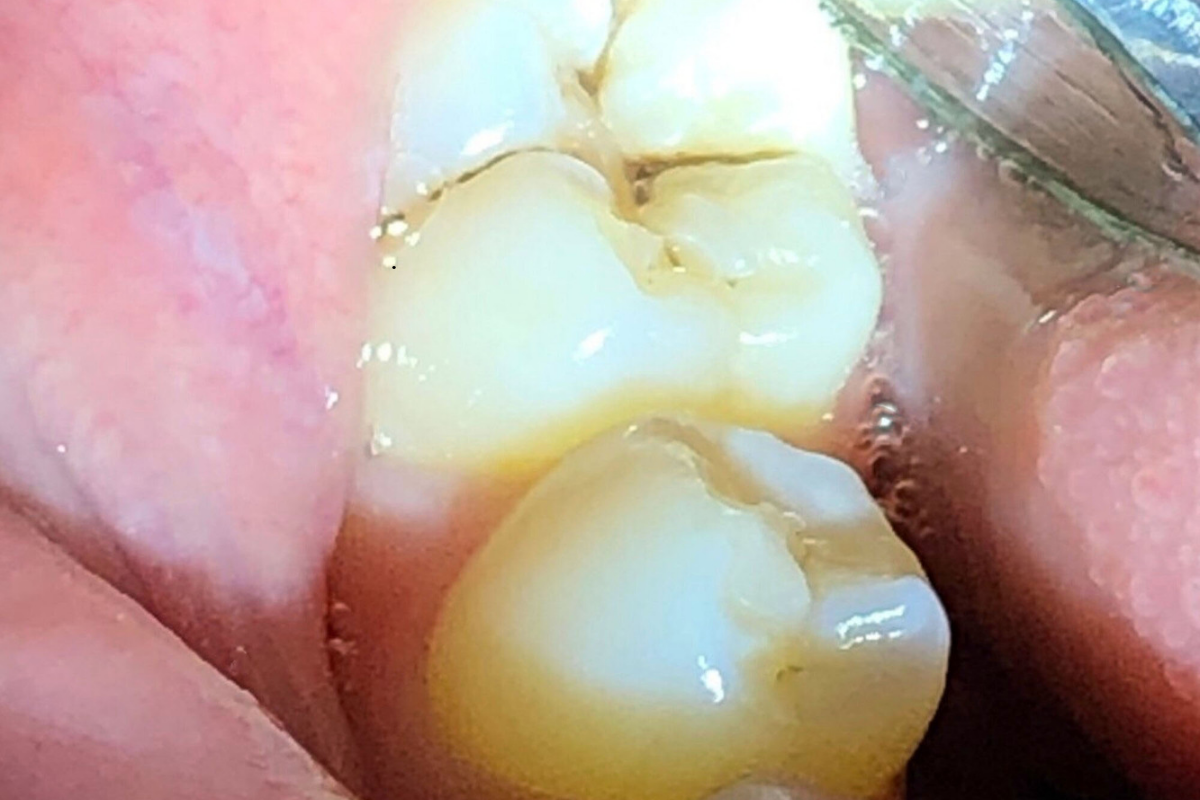
Not every early cavity requires a traditional filling. Tooth decay often begins as a small area of mineral loss within the enamel. At this stage, the tooth may develop a white or chalky spot without forming an actual hole. Early intervention can help prevent the damage from progressing into a larger cavity. Resin infiltration offers a minimally invasive way to treat certain early lesions while preserving natural tooth structure.
If you have noticed white spots or received a diagnosis of early enamel decay, our general Dentist in Sherman can evaluate your teeth and discuss suitable treatment options.
At Peppermint Dental & Orthodontics – Sherman, Dr. Blackburn can help you understand whether this conservative approach may benefit your smile.
Understanding How Early Tooth Decay Develops
Tooth decay begins when bacteria in dental plaque break down sugars from food and drinks. This process produces acids that gradually remove minerals from the enamel. Dentists call this process demineralization.
Healthy enamel contains minerals that help protect teeth against daily wear and acid exposure. However, repeated acid attacks can weaken its structure and create porous areas beneath the surface.
Common factors that contribute to early enamel damage include:
- Frequent consumption of sugary foods and beverages.
- Regular exposure to acidic drinks, including soda and sports drinks.
- Inadequate brushing and flossing habits.
- Plaque buildup around crowded or overlapping teeth.
- Reduced saliva production and dry mouth.
- Frequent snacking without enough time for saliva to neutralize acids.
Early lesions may appear as white spots, especially near the gumline or between teeth. These areas can remain non-cavitated for some time, meaning the enamel surface has not developed an actual opening.
Identifying these changes early allows patients to consider preventive and minimally invasive treatment before more extensive damage occurs.
What Is Resin Infiltration?
Resin infiltration is a minimally invasive dental treatment designed to manage selected early cavities without removing large amounts of healthy enamel. It uses a special low-viscosity liquid resin that penetrates the tiny pores within weakened enamel.
Once the material enters these spaces, the dental professional uses a curing light to harden it. The hardened resin fills the porous structure and creates a barrier against acids and other substances that contribute to mineral loss.
Unlike a traditional filling, this approach does not require removing the entire affected area of enamel. It helps stabilize suitable early lesions while preserving more natural tooth structure.
The treatment may also improve the appearance of certain white spot lesions by reducing the difference between the affected enamel and surrounding tooth surfaces.
How the Treatment Helps Stop Decay
The main purpose of this procedure is to restrict the pathways that allow acids to move through weakened enamel. Understanding each stage helps explain how it works.
1. Identifying the Early Lesion
The dentist examines the affected tooth and determines whether the enamel damage is suitable for treatment. Visual examination and dental X-rays may help identify areas of mineral loss, particularly between teeth.
2. Preparing the Enamel Surface
The dentist applies a conditioning agent to remove the lesion’s thin outer layer. This allows the liquid material to penetrate the porous enamel more effectively.
3. Applying the Liquid Resin
A low-viscosity material is applied to the affected area. Its ability to flow into microscopic spaces allows it to reach areas that ordinary surface treatments cannot fully penetrate.
4. Hardening the Material
The dental practitioner uses a special curing light to harden the material inside the enamel. This creates a physical barrier that limits acid diffusion and reduces the likelihood of further lesion progression.
The dental practitioner checks the treated surface and confirms that the procedure is complete. Patients can usually return to their normal activities shortly afterward.
This conservative process helps protect natural enamel without the extensive tooth preparation associated with traditional restorative treatment.
Who Can Benefit From This Treatment?
Not every cavity is suitable for this approach. It works primarily for early, non-cavitated lesions where the enamel surface remains intact.
Our general dentist may recommend this option for patients with:
- Early decay between neighboring teeth.
- White spot lesions caused by enamel demineralization.
- Initial cavities that have not developed into open holes.
- Areas showing early signs of mineral loss on dental X-rays.
- Selected early lesions that need additional protection to prevent progression.
Patients with larger cavities, significant structural damage, or lesions that have progressed beyond suitable treatment depths may need traditional restorative care.
A dental examination is necessary to assess enamel condition and select an appropriate treatment.
Why Early Treatment Matters
Delaying care allows early enamel damage to progress. Once decay breaks through the enamel and reaches the softer dentin underneath, the tooth becomes more vulnerable to structural damage.
A developing cavity may eventually require a filling or more extensive restorative treatment. Acting early can help preserve healthy tooth structure and reduce the need for invasive procedures.
At Peppermint Dental & Orthodontics – Sherman, patients can discuss early decay management with Dr. Blackburn. If you notice unusual white spots or have concerns about enamel damage, visit our dental practice for an evaluation. Our general Dentist in Sherman can assess the affected areas and explain whether a conservative treatment option is appropriate.
How to Protect Your Teeth After Treatment
Professional treatment is only one part of preventing future decay. Daily oral hygiene and dietary habits remain important for maintaining enamel health.
Follow these preventive steps:
- Brush twice daily: Use fluoride toothpaste to support enamel remineralization.
- Floss every day: Clean between teeth to remove plaque from areas your toothbrush cannot reach.
- Limit frequent snacking: Reduce repeated exposure to sugars and fermentable carbohydrates.
- Drink more water: Water helps rinse away food particles and supports saliva production.
- Reduce sugary beverages: Limit soda, sweetened coffee, sports drinks, and fruit juices.
- Attend routine dental visits: Regular examinations help identify new areas of decay before they progress.
Our team may also recommend fluoride treatments or other preventive measures based on your cavity risk.
Preserve Your Natural Teeth With Early Care
Early tooth decay does not always mean you need a traditional filling. When detected before the enamel surface breaks down, certain lesions can be managed with conservative treatments that help limit further damage.
The right approach depends on the lesion’s location, depth, and activity. Regular dental examinations can help identify early changes and determine when intervention is necessary.
At Peppermint Dental & Orthodontics – Sherman, Dr. Blackburn can evaluate your enamel health and discuss appropriate options for managing early cavities. Contact our office at 903-686-1897 or visit 859 East North Creek Drive, Sherman, TX 75092, to schedule a consultation. Speak with our general Dentist in Sherman about protecting your natural teeth and maintaining a healthier smile.
Frequently Asked Questions
1. Can early tooth decay be treated without drilling?
Yes. Certain early cavities can be managed without traditional drilling when the enamel surface remains intact. A dental evaluation can determine whether a minimally invasive approach is suitable and help prevent further damage to your natural teeth.
2. Does this treatment completely stop tooth decay?
It can help arrest or slow the progression of selected early lesions by blocking pathways for acids. However, it does not eliminate the bacteria responsible for decay. Maintaining proper oral hygiene and attending regular dental visits remain essential.
3. Is the procedure painful?
The procedure is generally comfortable and usually does not require drilling or local anesthesia. Most patients can return to their normal activities shortly afterward. Your dentist can explain what to expect based on the affected tooth’s location and condition.
4. Can white spots on teeth be treated with this method?
Certain white spots caused by enamel demineralization can benefit from this approach. It may also improve their appearance by reducing the contrast between affected and healthy enamel. A dental examination can determine whether the spots are suitable for treatment.
5. How long does the treatment last?
Treatment longevity depends on the original lesion, oral hygiene, and ongoing cavity risk. Clinical studies support its ability to reduce progression in selected lesions. Regular dental monitoring helps assess the treated areas over time.
6. Is this treatment suitable for every cavity?
No. It is primarily intended for early cavities that have not developed into open holes. Larger cavities may require fillings or other restorative procedures. A dental consultation can help identify the appropriate treatment for your condition.
**Disclaimer: This content should not be considered medical advice and does not imply a doctor-patient relationship.


