Living in Rowlett offers residents the charm of four seasons, but the colder months bring unique challenges for your teeth. From snowfall to freezing temperatures, the winter months can be tough on your smile. Cold weather doesn’t just affect your comfort; it can impact your oral health in ways you might not expect. As temperatures drop, it’s important for individuals to understand how cold weather can affect their teeth and how to protect them.
In this blog, we’ll explore how winter weather and low temperatures can impact your oral health, what steps you can take to protect your teeth, and how Peppermint Dental & Orthodontics can help you keep your smile healthy this winter.
How Does Cold Weather Affect Your Teeth?
When temperatures drop, the air becomes drier, and your mouth can become more sensitive. Cold weather can make your teeth more sensitive to hot or cold foods and drinks. Here’s why:
- Temperature Sensitivity
Cold air can cause pain or discomfort in your teeth, especially if you have exposed tooth roots. Sensitive teeth react to sudden temperature changes, and this issue can be exacerbated during the colder months. If you’ve noticed more discomfort when drinking a warm cup of coffee or biting into something cold, this may be a sign that the cold weather is taking a toll on your teeth. - Increased Dry Mouth
The dry, chilly air in Rowlett during the winter months can contribute to dry mouth. Dry mouth occurs when saliva production is insufficient, leaving your mouth feeling dry and more susceptible to bacterial buildup. Saliva is important because it helps wash away food particles, neutralizes acids, and keeps your gums and teeth healthy. Reduced saliva flow increases the chance of cavities and gum disease. - Cracked or Chipped Teeth
Just as cold air can cause discomfort for sensitive teeth, it can also lead to more serious issues, such as cracked or chipped teeth. The extreme temperature changes between cold and hot can cause the teeth to expand and contract, which may lead to cracks over time. In areas where temperatures fluctuate, the impact on teeth can become more pronounced during the winter.
How Much Snowfall Does Rowlett Experience, and How Does it Impact Teeth?
While Rowlett doesn’t typically see large amounts of snow, the occasional winter storm can bring a mix of snow and freezing rain. The weather can cause several local challenges that may affect your dental health:
- Salty Road Treatment: Snow and ice often require the use of salt and chemicals on roads. While they make driving safer, they can also increase the risk of dental erosion if anyone accidentally ingests the substances or if they find their way into your mouth while you’re outside in the cold.
- Winter Sports: For those who enjoy outdoor activities, winter sports like ice skating, sledding, and skiing are popular. However, these sports involve many injuries. Falls or impacts during these activities can result in chipped teeth or even tooth loss.
How to Protect Your Teeth During Cold Weather
Now that we understand the effects cold weather can have on your teeth, let’s look at some effective ways to protect your oral health this winter:
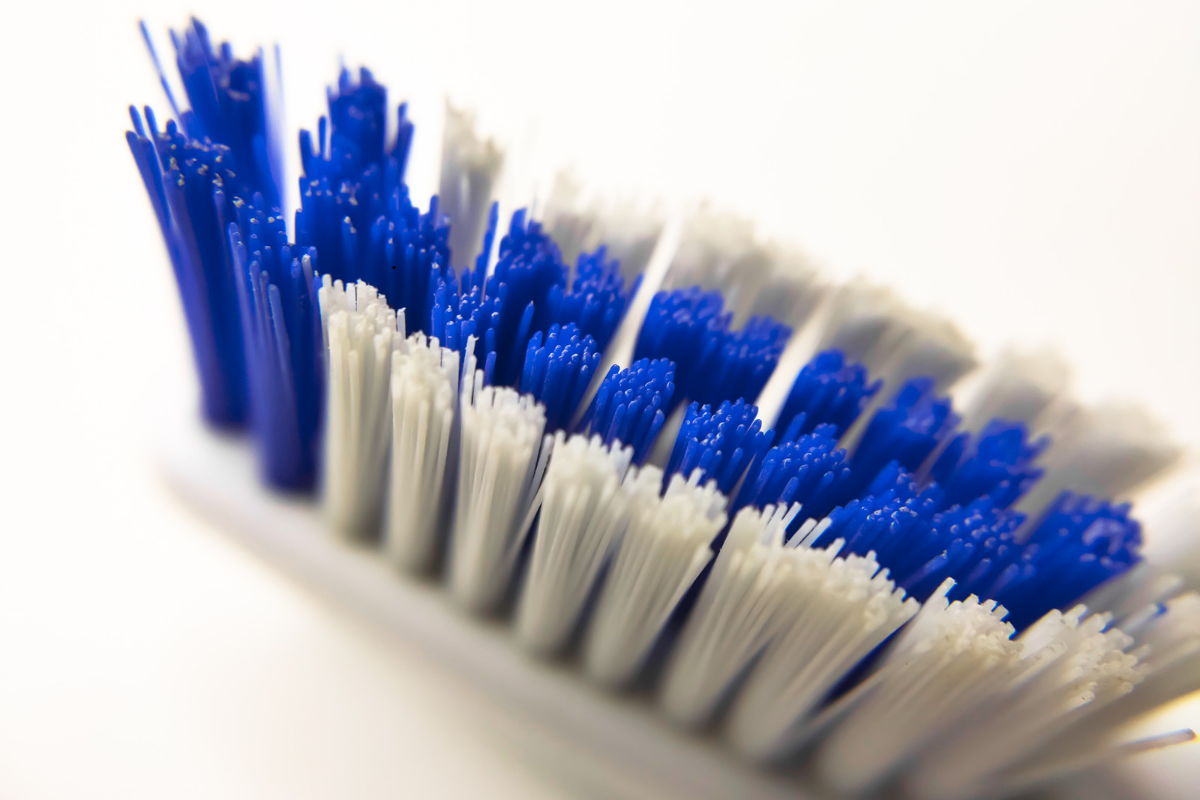
- Use a Soft-Bristled Toothbrush
A soft-bristled toothbrush will be gentler on your teeth and gums, especially if you’re dealing with sensitivity caused by cold weather. Be gentle while brushing to avoid irritating your teeth and gums. - Stay Hydrated
Since dry mouth is more common in the winter, it’s important to drink plenty of water to keep your mouth hydrated. Carry a water bottle with you, especially during outdoor activities, and avoid sugary drinks, which can contribute to cavities. - Use Lip Balm to Prevent Cracked Lips
Protect your lips from the cold and prevent cracking by using a good lip balm. Cracked lips can sometimes cause discomfort around your gums and teeth, so keeping your lips hydrated will help protect your smile overall. - Use a Mouthguard for Winter Sports
If you enjoy winter sports, be sure to wear a mouthguard to protect your teeth from injury. A custom mouthguard from your dentist in Rowlett will provide the best protection during high-impact activities. - Avoid Abrupt Temperature Changes
Sudden temperature shifts between hot and cold can cause discomfort in sensitive teeth. Try to avoid eating hot foods or drinking very cold beverages when you’re outside in the cold air, and allow your body time to adjust to the temperature changes.
Can a Dentist Help With Winter Teeth Sensitivity?
If you’re experiencing increased tooth sensitivity or discomfort from the cold weather, it’s a good idea to consult a trusted dentist. Your dentist can examine your teeth to determine if any underlying issues, such as cavities or exposed roots, are causing your sensitivity. They may also recommend treatments such as fluoride applications or desensitizing toothpaste to reduce discomfort.
At Peppermint Dental & Orthodontics, we support your smile through the winter with preventive care and treatments designed to ease tooth sensitivity. If you’re dealing with cold-weather-related dental issues, don’t hesitate to contact us for a consultation.
Keep Your Smile Healthy This Winter
Cold weather can significantly impact your dental health. Whether it’s sensitivity from the cold air, dry mouth, or potential injuries from winter activities, it’s important to take steps to protect your teeth. By following the tips provided and seeing your dentist in Rowlett, you can enjoy the winter season without worrying about your oral health.
For comprehensive care and advice on protecting your teeth this winter, contact us today. We’re here to help you keep your smile healthy and vibrant, no matter the season.
FAQs:
- How can I prevent tooth sensitivity during cold weather?
Use desensitizing toothpaste, drink warm beverages, and avoid sudden temperature changes to protect sensitive teeth. - Is dry mouth more common in winter?
Yes, cold air and heated indoor environments can reduce saliva flow, leading to dry mouth. Stay hydrated to prevent it. - Can cold weather cause tooth damage?
Yes, extreme temperature changes can cause cracks or discomfort in sensitive teeth. Protect your teeth from temperature shifts. - What should I do if I chip a tooth while participating in winter sports?
Visit your dentist immediately. A dentist in Rowlett can repair the tooth and prevent further damage. - Are there any dental treatments for winter-related tooth sensitivity?
Yes, fluoride treatments or special toothpaste can help reduce sensitivity caused by cold weather. - How can I keep my lips and teeth protected in the winter? Use lip balm for cracked lips and drink plenty of water to avoid dry mouth, which can affect both your lips and teeth.
**Disclaimer: This content should not be considered medical advice and does not imply a doctor-patient relationship.